A Look into the Journey of a Grade 11 Learner

Is Focused Education in the Arts Possible? A Look into the Journey of a Grade 11 Learner
Focused education in the arts is not only possible but increasingly essential for learners who
show an affinity for creative disciplines. This type of education involves a specialised
curriculum that emphasises artistic subjects, such as visual arts, music, dance, drama, and
design, alongside general education subjects like mathematics and languages. By
concentrating on artistic development from an early age, learners can harness their creative
potential while acquiring skills that can lead to diverse career paths in the creative industries.
What Does Focused Education in the Arts Entail?
Art-focused education moves beyond the basic exposure to arts commonly offered in
conventional schools. It allows learners to immerse themselves deeply in a range of creative
fields. Students in specialised art schools often experience hands-on, practical learning and
are guided by professionals in their field, which helps them develop their craft to a professional
standard. This environment also fosters critical thinking, problem-solving, and emotional
expression—skills transferable to all aspects of life.
An arts-focused curriculum balances rigorous artistic training with academic subjects,
ensuring learners can pursue further education or careers in creative arts. Importantly, this
approach caters to individual strengths, helping students excel in areas where they naturally
thrive.
When Should Learners Start Focused Art Education?
The most recommended time to introduce learners to focused art education is around Grade 8
or 9. By this stage, students have developed basic cognitive and technical skills, allowing them
to engage meaningfully with complex artistic concepts. They are also mature enough to begin
considering their future educational and career aspirations.
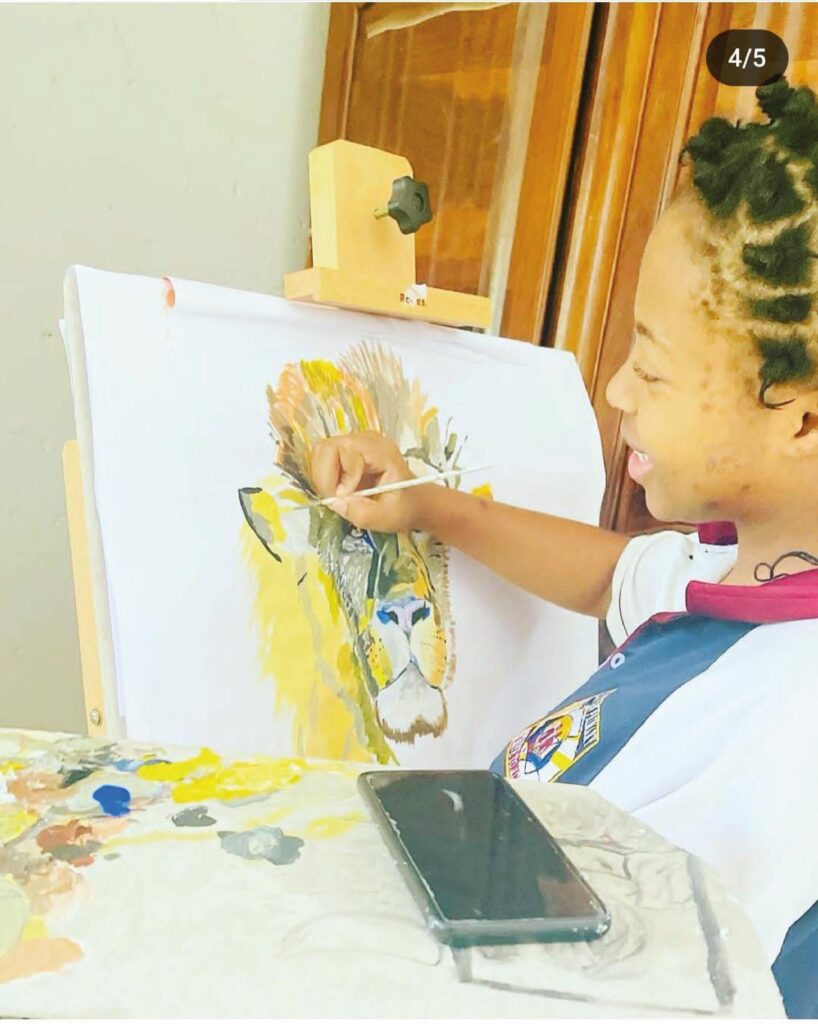
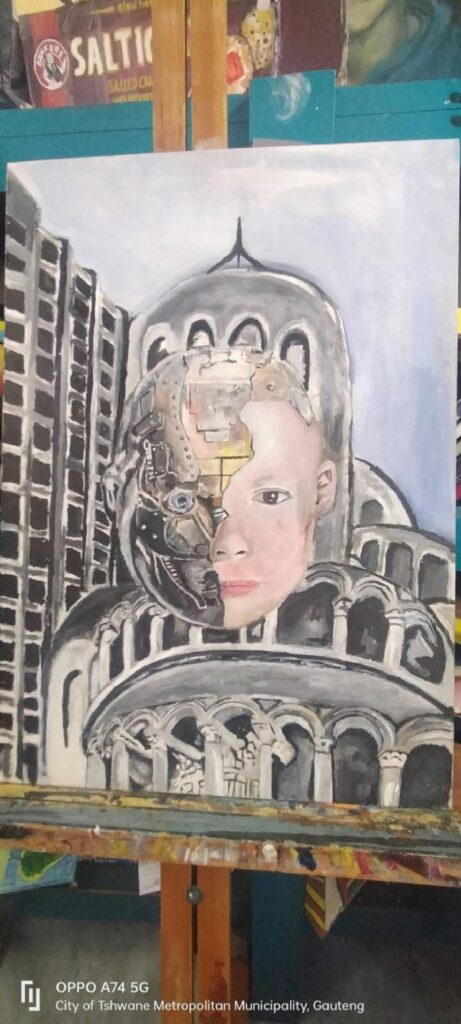
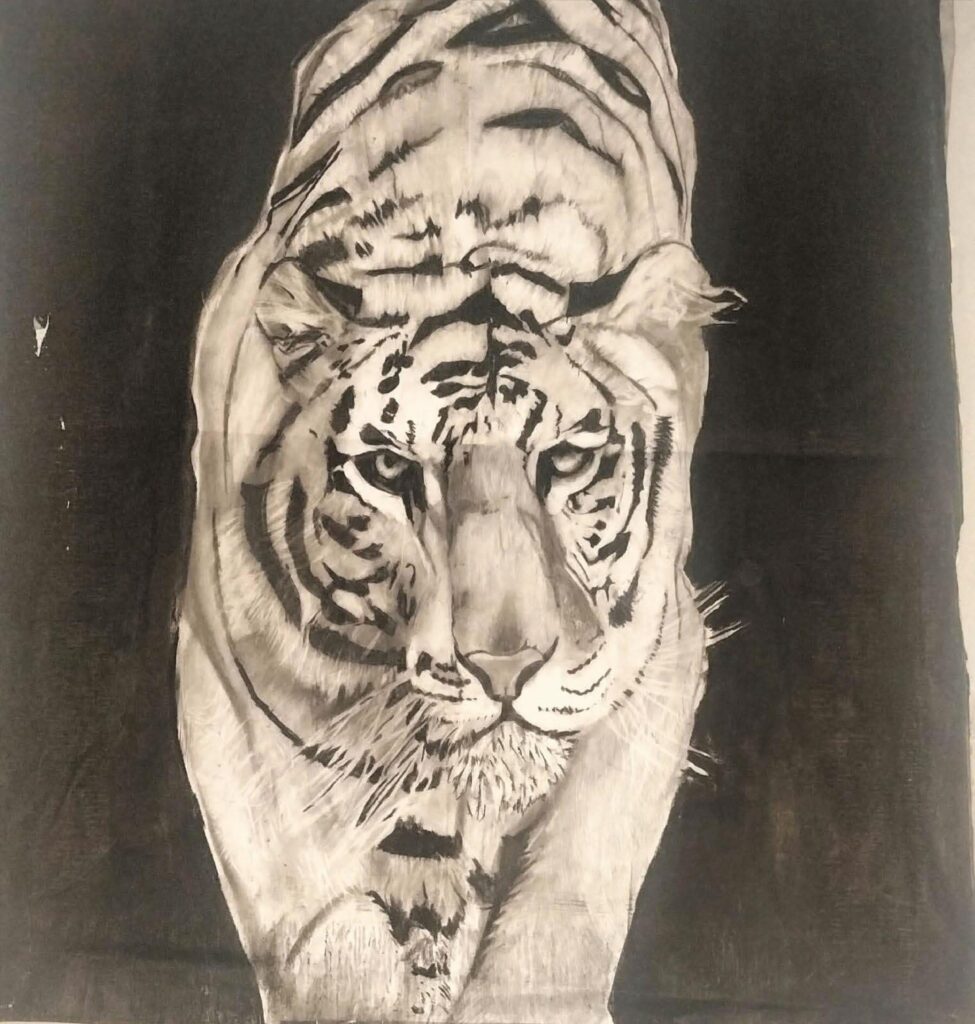
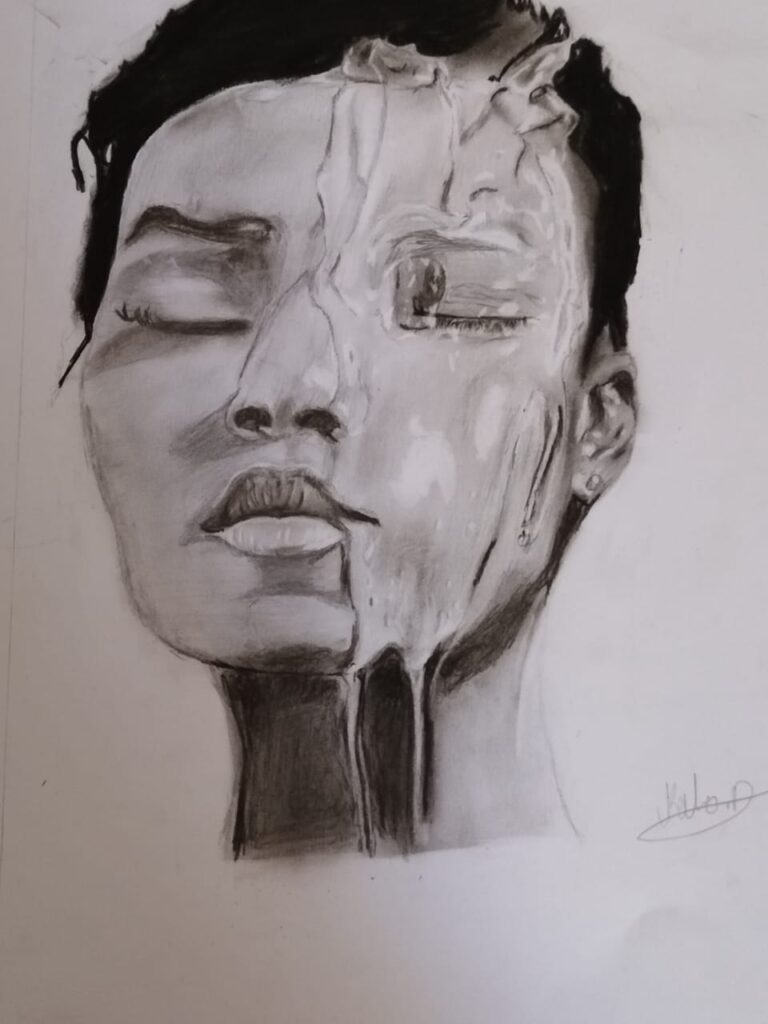
Take the case of Kaboentle Dikane, a Grade 11 learner at Pretoria based, ProArte which offers
an arts-centered curriculum. Kaboentle has grown up with a passion for drawing and art, and
her mother’s guidance led her to explore her talent at this art focussed school. She explains
that her studies at ProArte, means that she gets to immerse herself in all art studies while still
keeping up with other commercial academic studies. This environment has nurtured her
passion, providing access to specialised teachers and resources that wouldn’t be available in
a regular school. Kaboentle dreams of owning a Solo Gallery upon finalising her studies.
Why Is It Important to Support Learners in Such Environments?
Allowing learners to pursue focused education in the arts creates an environment where their
talents and passions are prioritised and cultivated. Learners like Kaboentle benefit from being
in a space designed to foster creativity and artistic growth, rather than having their artistic
interests sidelined. Such environments nurture self-discipline, emotional intelligence, and
confidence, as students are encouraged to express themselves freely while working toward
mastery in their chosen fields.
Moreover, focused art education plays a crucial role in fostering innovation and cultural
diversity. By investing in young artists, societies ensure the continued development of the
creative industries, which contribute to cultural enrichment and economic growth. Supporting
learners in specialized arts environments allows them to thrive and paves the way for the next
generation of creative professionals.
In conclusion, focused education in the arts is not only possible but necessary for students who
are passionate about their craft. Starting at Grade 8 or 9 allows learners to fully engage in the
arts while still receiving a comprehensive education, helping them to pursue fulfilling creative
careers.